The Foshan furniture market is a group of malls and showrooms, with a major concentration in Lecong, a town in Foshan’s Shunde District. Foshan is the city, Shunde is the district, and Lecong is the town where the centers below are located. The names often appear together in market listings, but they are not interchangeable addresses.
For a project buyer, the value of a visit is being able to see finishes, try seating, and compare actual pieces. The useful result is a shortlist you can price and approve afterward. A long list of showroom photos is much harder to turn into a reliable order.
Where to Start in Lecong
These three established centers are useful starting points when building a shortlist. Choose the showrooms for your furniture requirements; no mall name guarantees the quality, price, or export capability of every seller inside it.
| Center | Location reference | What to look for |
|---|---|---|
| Louvre International Furniture Exhibition Center | Lecong, Shunde District, Foshan; request the Foshan location specifically | Furniture displays spanning modern, classic, solid-wood, and Chinese styles, alongside international brands. |
| Sunlink Furniture City North | No. 1 Hebin South Road, Lecong | Showrooms across home, office, wood, and other furniture categories. Identify the relevant building and shop before arrival. |
| Sunlink Furniture City South | Near Shunlian Flyover, on the Xinlong Road section of S121 in Lecong | Furniture halls that include sofas, hotel furniture, and bedroom furniture. Check which sellers currently carry the products on your list. |
Sunlink North and South are separate stops. Louvre also has a Guangzhou location, so the brand name alone is not enough for a driver or an appointment.
When arranging the visit, get the center’s exact name and address in Chinese as well as English. For an individual showroom, ask the contact to send the current map pin, entrance, building, floor, and shop number. Save those details with the seller’s name and telephone number. Confirm opening hours and appointment availability directly, particularly around holidays or events. A mall’s opening time does not establish when a particular salesperson or product specialist will be available.
If you are arriving through Guangzhou, plan the onward trip to the specific Lecong address. Build in time for traffic, transfers, and meetings instead of relying on a single airport-to-market travel estimate.
Bring a Furniture List, Not Just a Mood Board
Reference images help explain style, but they rarely show whether the furniture will fit the room or work for the people using it.
Bring a list organized by room or repeated room type. Include quantities, overall dimensions or size limits, preferred finishes, and a working budget. Mark the decisions you want to make during the visit.
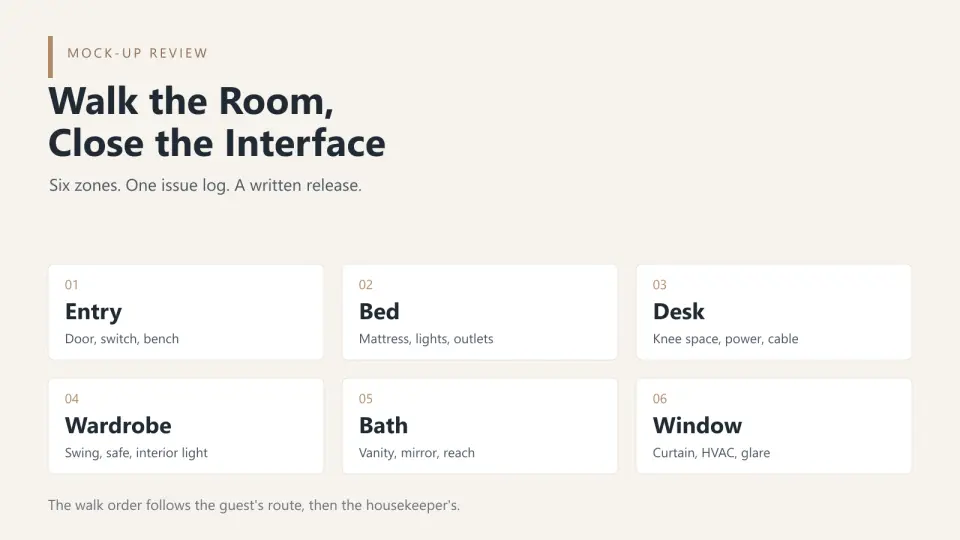
For example, a hotel-room chair may need to fit under a desk and leave enough space for luggage. Record the desk underside height and the available floor area. Compare that clearance with the chair’s arm height, and check the space needed to pull the chair out. A chair that looks right in an open showroom may not fit the actual arrangement.
For sofas and sectionals, mark each module and the chaise position on a floor plan. Have the seller confirm the same arrangement on the quotation or drawing rather than relying only on a “left-hand” or “right-hand” label. Include access constraints such as doorways, elevators, and stair turns. The room fit and the delivery route are separate checks.
Keep fitted wardrobes and other built-in work distinct from freestanding furniture. George’s Contract and Hotel Furniture Options show the item details and room information to include in a project inquiry.
Plan the Visit Around Decisions
You do not need to visit every major mall to make a useful comparison. Start with a product category and a small number of sellers whose displays or confirmed ranges match your brief.
Use the First Visits to Establish a Shortlist
Look over the pieces, try the seating where appropriate, and ask which changes are available. Before comparing prices, check exactly which size, materials, and pieces each offer includes.
If two sofas look similar, check their dimensions, upholstery specification, cushion and support information, finish, and included modules. A visual resemblance does not make the offers equivalent.
Allow time after the first visits to organize your notes. Otherwise, you may remember the appearance but lose the connection between the item, its seller, and the price.
Reserve Time for Comparison and Follow-Up
Use a later visit or appointment to resolve the questions that could change your choice: a fabric sample, altered dimensions, a different cushion option, packaging, or a production requirement.
With only one day available, narrow the task—for example, shortlist dining chairs rather than attempting to approve furniture for every room. A longer visit gives you more room for follow-up, but it does not guarantee that custom details or samples can be finalized while you are there.
For a larger order, consider whether you need to approve one finished sample piece before production. This is a separate decision from choosing a fabric swatch. Ask what the seller can provide, what it will cost, and when it can be ready; do not assume it can be produced during the trip.
Separate the Display Piece from the Product You Are Ordering
Sit on seating, open drawers, look at accessible edges and joints, and review the dimensions. These checks can tell you useful things about the sample. They do not reveal every material or establish the performance of a future production order.
Ask whether you are seeing a stock item, a display model, or an example that can be made in different configurations. Then agree which of those options belong in your quotation.
For an upholstered piece, record the selected fabric or leather reference, color, dimensions, base finish, and the available information about frame, support, and cushion construction. Ask which details can change and whether those changes require a new sample and how they affect the price.
For a wood-look surface, establish whether it is solid wood, veneer, or another finish system. Record that description in the written offer. A showroom label such as “wood finish” is too broad to settle the material choice.
Photographs are useful reminders when the showroom permits them. Pair each photo with an item reference and a seller record. Ask for a physical sample labeled with its material or finish code when color, texture, or sheen matters; phone photographs can vary with lighting and screen settings.
If the furniture has to meet project-specific fire, durability, electrical, or other requirements, have the responsible professional review the relevant product evidence before approval. Trying a chair or looking inside a drawer cannot establish those properties.
Keep a Record You Can Use After the Trip
Use one record per selected item, even if several pieces come from the same shop.
| Record | What to save |
|---|---|
| Your item reference | Room or room type, quantity, dimensions, and intended use. |
| Seller | Legal seller, showroom name, location, contact, and who will issue the quotation. |
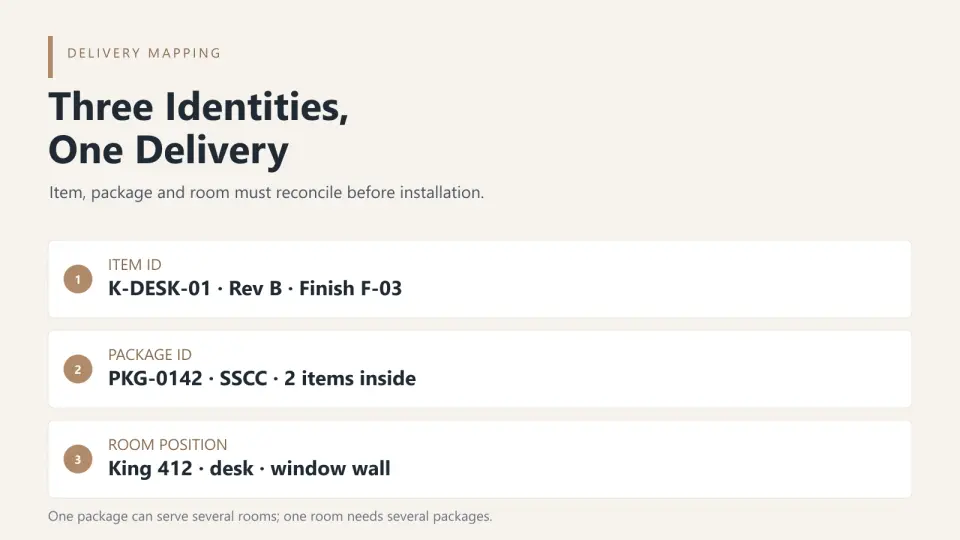
| Product reference | Model or item code and the exact configuration being discussed. |
| Sample choices | Fabric, finish, color, and other identified samples. |
| Quotation details | Currency, quantity, included items, packing, delivery destination, and validity. |
| Open questions | What still needs an answer, who will answer it, and what must wait for that answer. |
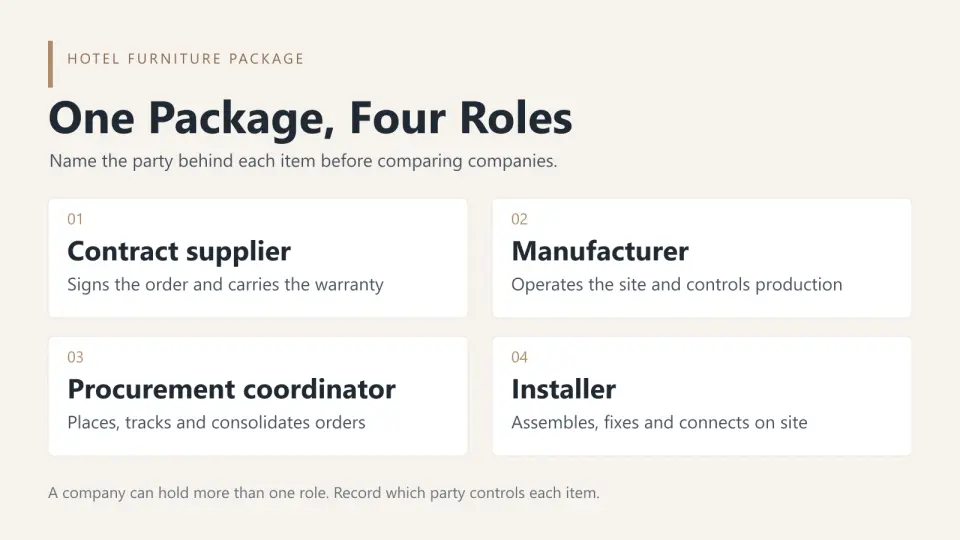
A shopping center, showroom seller, brand, and manufacturer can be different entities. Ask who will contract with you and who will answer a production or warranty question.
Record the company that will issue the quotation and take the order, even when it differs from the showroom name. Complete the Seller and Payment Checks Before Importing before paying a deposit.
Compare Prices for the Same Configuration
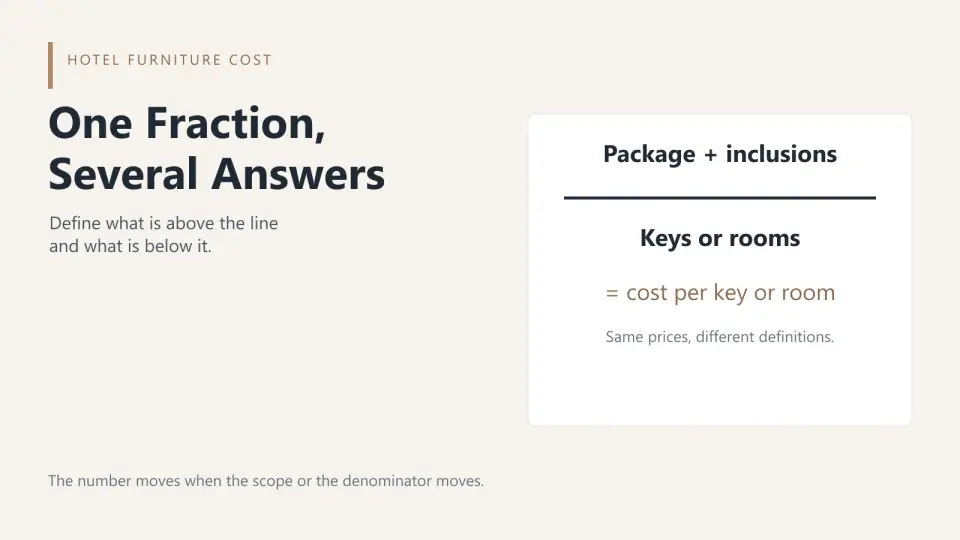
A display price may describe the sample on the floor. A project quotation may describe a different size, upholstery, quantity, or set of accessories. Ask which one you are being offered.
Likewise, “delivery included” needs a destination. Local delivery to a consolidation warehouse, international freight, and delivery to your building are separate tasks. Establish who will collect from each seller, check the goods, pack them for export, and handle shortages or damage.
Use a Furniture and Building-Materials Quote Comparison to put those differences beside the prices. This is more useful than negotiating a discount against an offer whose contents are unclear.
Buying in Foshan does not guarantee a lower total cost than buying locally. The comparison depends on the particular product, freight, import charges, local delivery and installation, and the support you would otherwise receive.
Leave with a Shortlist and a Follow-Up Plan
Before leaving each showroom, check that you have the item reference, configuration, contact, and outstanding questions. Ask for a written quotation that uses those same details.
After the trip, compare the offers and resolve the open choices before approving production. Record changes made after the visit so the order does not rely on a memory of the display piece.
Make sure the people placing the order receive your item records, samples, revised choices, and unanswered questions. Assign the remaining approvals, inspections, and delivery tasks to named contacts after the trip.
If you want to discuss a visit with George, send the room plans or item list, quantities, style references, destination, proposed dates, and decisions you hope to make. George’s Foshan Visit and Project Coordination Services are arranged around the agreed itinerary and available support. You can Discuss Your Furniture Project before committing to a shopping schedule.